The Year of Great Changes: Upcoming Trends for 2026 in Telco
- Published
- 3 min reading

In 2026, the telecommunications industry is witnessing a significant shift in attitudes towards artificial intelligence. The initial enthusiasm has calmed down and matured into a rigorous demand for transparency and true agency. We are witnessing a fundamental shift in how networks are built, how intelligence is governed, and how value is extracted across entire ecosystems. The question is: What kind of developments can we expect this year?
Sovereign, agentic artificial intelligence
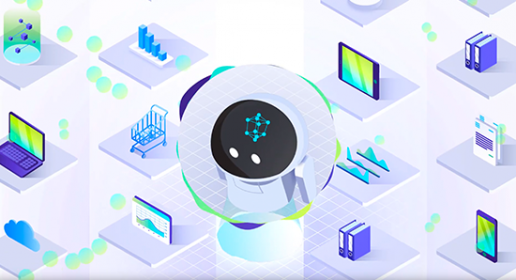
The first major shift of 2026 is moving away from conversational AI in favor of agentic AI. For years, the industry focused on making AI more human, but customers have grown weary of "empathetic" interfaces that lack the power to actually solve problems. The new gold standard is AI that acts. Systems with native access to the BSS/OSS core, capable of autonomously resetting ports or provisioning services in real time. This will be further supported by incorporating multiple specialized Domain-Specific Language Models (DSLMs) rather than a singular massive LLM handling all the work.
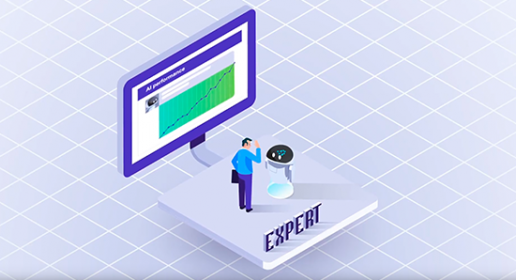
At the same time, there is a growing emphasis on transparency in agent-to-agent communication and the AI decision-making process. As we give AI more agency and access to sensitive data and technical functions, organizations are demanding absolute control over their AI models and ensuring that each automated decision is backed by an automated audit trail to transform AI into a transparent, accountable, and fully controlled strategic asset.
Structural evolution and the layered architecture
Business models are undergoing a similarly impactful change as the traditional integrated operator model becomes obsolete. In 2026, the industry is embracing a layered architecture that decouples physical infrastructure from service delivery and hyper-specialization: separate sub-companies handling specific network elements can create active green energy hubs, industrialize wholesale connectivity through high-utilization 5G Advanced slicing, and deliver software-like valuations by focusing entirely on customer experience and AI-driven personalization. This reorganization not only optimizes costs but also unlocks the massive capital required for the next generation of connectivity research.
Adoption of telco-native solutions in various Industries
The expertise of the telecommunications industry is now spilling over into other sectors, leading to the "telco-fication" of Energy, Logistics, and Mobility. Industries that once relied on simple invoicing now adopt complex billing models pioneered by telcos. These new models handle electric vehicle roaming, bi-directional energy billing for prosumers, and usage-based logistics. This shift is further fueled by the massive rollout of eSIM, iSIM, and RedCap technologies.
As industries move toward sophisticated "any-to-any" settlement models, the telco-grade billing engine is becoming central to the broader green economy. It enables cross-industry super-bundles that combine energy and connectivity into a single, seamless invoice.
Scaling efficiency through automation and seamless connectivity
Finally, operational efficiency is reaching a new peak through the integration of AI-driven automation and non-terrestrial networks. Computer Vision and NLP are used to eliminate administrative bottlenecks, allowing technicians to update network inventory in real time by simply taking a photo of their work. This "first-time-right" data approach drastically reduces OPEX and accelerates network monetization. At the same time, satellite connectivity is moving from a niche solution to a standard connectivity layer, embedded so seamlessly into daily life that users will no longer distinguish between terrestrial and space-based signals.
The winners of the 2026 market will not be those with the fastest algorithms, but those who can orchestrate these diverse technologies into a transparent, unified experience. To stay ahead of these rapid changes, leaders must understand the full scope of these shifts. We invite you to explore these trends in greater depth with our latest ebook, which provides the technical blueprints and market forecasts necessary to secure your competitive advantage.
Download Navigating the Intelligent Future: 2026 Telco Strategic Trends to position your business at the forefront of innovation and equip yourself with the insights that matter most this year.
Author