Beyond Sequential Workflow: Redefining Corporate Lending Strategy with AI
- Published
- 6 min reading

Key Takeaways:
- Corporate lending was never a purely sequential process. It's a multi-threaded business relationship.
- The future lies in a two-layer architecture: process (control, compliance, audit) plus AI (interpretation, context, recommendations).
- AI doesn’t replace the credit expert. It removes manual work, freeing time for judgment and client understanding.
- Real-time data sources (open banking, e-invoicing, ERP integrations) are shifting credit analysis from static to continuous.
Corporate lending has never really been sequential, even though banks have described it that way for years. That gap, between how the process is modeled and how it actually works, is why AI in corporate banking is no longer optional. It's becoming the layer that lets a bank's process keep up with the real complexity of a corporate credit case.
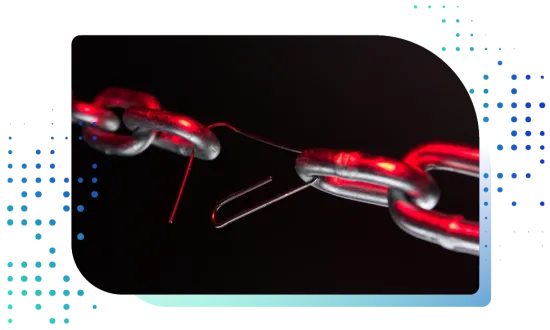
Why traditional workflow no longer fits corporate lending
Banks have spent years describing corporate credit in the language of process, and for good reason. A defined workflow organizes work, assigns accountability, and keeps a bank aligned with regulatory requirements. It's essential. It just was never built to capture the real dynamic between a bank and a corporate client.
A corporation, almost by definition, means multiple threads running at once, like parallel analyses, ongoing negotiations, and constant back-and-forth on documentation. Classic workflow is still needed, but on its own it can no longer keep up with that complexity. It's one of the clearer AI banking use cases out there: not automating a single step, but rethinking how the entire case is handled end to end.

How AI and process work together in corporate lending
The future of corporate financing isn't about discarding the process. It's about giving it a partner. Banking still needs auditability, strict controls, and clear accountability, that part isn't changing. What's changing is that process can no longer be the only dimension of the platform.
That's why the second pillar is AI. At Comarch, this shift is understood as a move toward a two-layer credit process architecture. The first layer is process: the controls, audit trail, and defined roles and procedures that keep each case accountable. The second layer is AI: it reads the data, flags what doesn’t add up, and recommends what to do next, all within the context of that specific case. Put the two together, and you get a system that moves a user through stages and helps them decide.
"Process is the skeleton of the system, while AI is its nervous system. Process organizes the work and secures compliance. AI interprets signals, gives meaning to data, and helps the user quickly understand the client's situation. This isn't just a cosmetic change; it’s a whole new way of thinking about designing credit systems."
— Dorota Sikorska, Product Manager for Credit Systems, Comarch (quote translated from the original Polish)
Why AI supports lending decisions instead of replacing them
In discussions about AI in banking, it's easy to slip into an oversimplification: that the goal of the technology is to fully replace humans in the decision-making process. In corporate lending, that idea overreaches and misreads how the segment works. The real value of AI is in improving the path that leads to a decision, which is the essence of modern AI credit decisioning.
AI can take over a large share of the operational work: searching for information, comparing data, catching inconsistencies, and drafting a first justification. These tasks eat up time, but they don't always call for expert judgment.
The credit expert doesn't disappear from this picture. Their role changes. Instead of being the manual link between documents, systems, and teams, they become the decision strategist, the person who weighs the facts, understands the client, and owns the final call. AI doesn't take away human expertise, but even empowers experts, giving them back their time — which is one of the organization's scarcest resources in corporate lending.
From static documents to real-time data in corporate credit decisions
Access to data is changing just as much as the workflow. For years, banks assessed a company mainly through historical documents: financial statements and the reports clients submitted to satisfy the process. That gave an important picture of the business, but often a delayed one.
That's starting to change. E-invoicing frameworks such as Poland's KSeF (National System of e-Invoices), open banking under PSD2, and integrations with accounting and ERP systems are moving banks away from static document analysis and toward reading ongoing business signals. Data is becoming the fuel for decisions, and AI is what lets banks actually use it: spotting a trend, catching an anomaly, and showing what it means for creditworthiness. AI can help explain why a recommendation holds up, or why a deal needs additional collateral.
This is where corporate credit decisioning starts to change: from analyzing historical documents to working with a client's dynamic, real-time context. It's also where our companion piece picks up the thread. Read The Practical & Operational Architecture: How AI Agents Orchestrate Corporate Lending to see how banks are turning this shift into an operating model built on specialized AI agents working in parallel.
Curious how AI can work for your finances?
Browse our AI banking solutions
Continue reading: The Practical & Operational Architecture: How AI Agents Orchestrate Corporate Lending, and learn more about Comarch Loan Origination (CLO).
This article is based on "Koniec workflow w kredytach korporacyjnych? AI zmienia logikę decyzji" by Dorota Sikorska, Product Manager for Credit Systems, Comarch, originally published in Miesięcznik BANK (June 2026): bank.pl/koniec-workflow-w-kredytach-korporacyjnych. Dorota is responsible for the development of Comarch Loan Origination (CLO), Comarch's corporate lending platform.